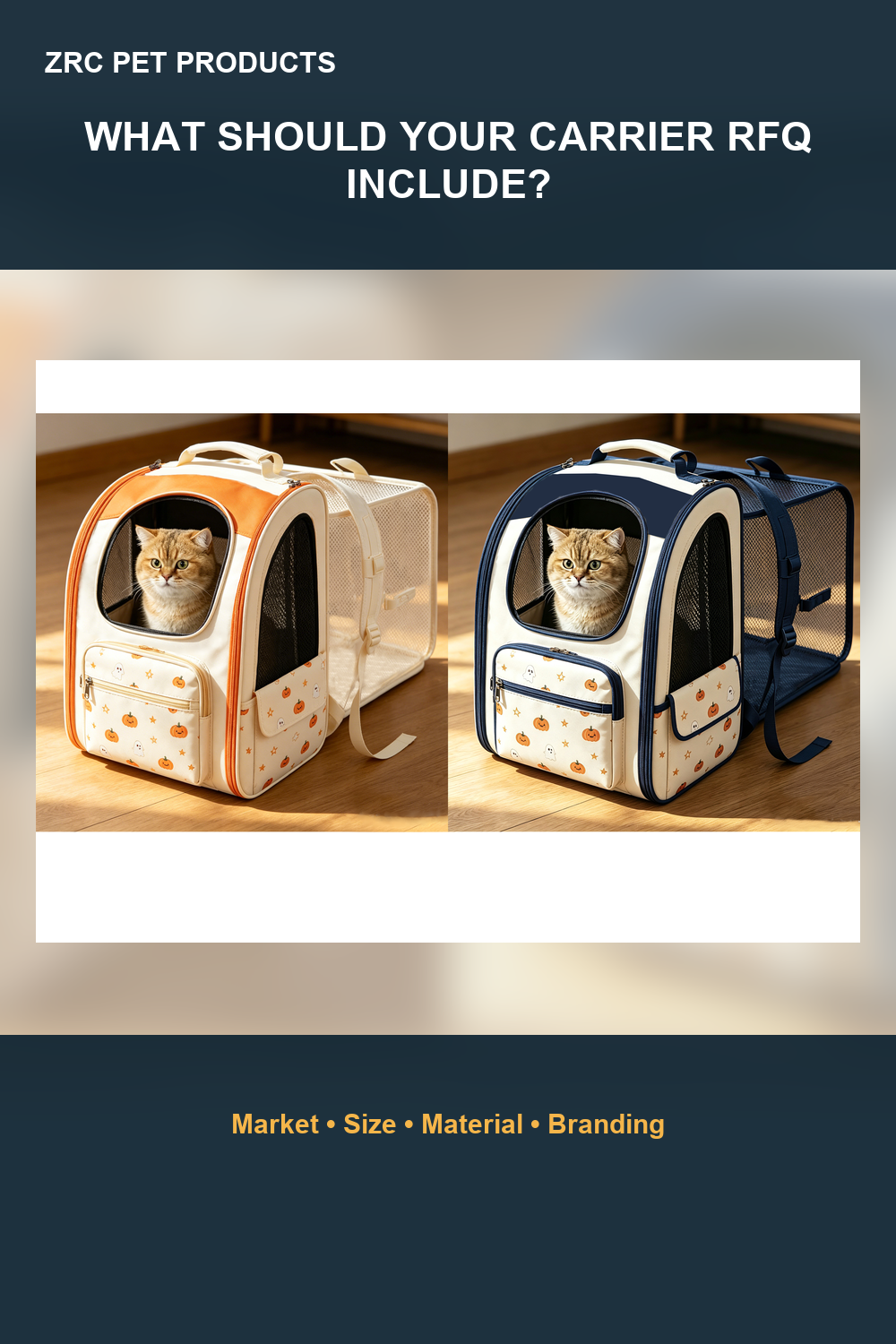
A clearer RFQ helps the manufacturer identify the structure, customization and open decisions behind your reference image.
Updated: September 10, 2026
Author: ZRC Pet Products team
The short answer is: send more than a product photo. A useful custom pet carrier RFQ should state the carrier format, requested dimensions, target market, material direction, ventilation and opening requirements, branding details, proposed quantity and any components expected in the pack-out.
Why is a reference photo not enough for a pet carrier quote?
A reference photo communicates appearance but may not reveal dimensions, internal construction, reinforcement, zipper routes, panel layers or packing requirements. Two products that look similar in one image can require different patterns, components and assembly steps.
ZRC uses the reference as a starting point. The next step is converting visible features and buyer priorities into a requirement list that can be reviewed before sampling.
Which carrier format should the buyer identify?
The brief should identify whether the requested product is a soft-sided travel carrier, backpack, wearable front carrier, soft crate or another format. Each format places different demands on openings, straps, panels and storage.
If the buyer has not selected a final format, the RFQ can list the shortlisted options and explain the intended use. This is more useful than asking for one price before the structure has been defined.
Which dimensions should be included?
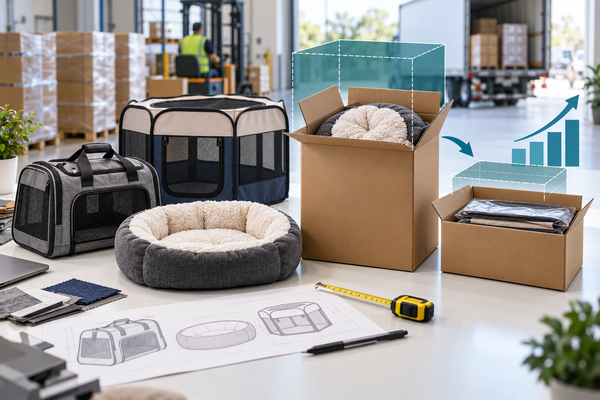
State the requested external dimensions and explain whether they are fixed or open for discussion. If the product needs to fit a particular retail carton, shelf, vehicle space or shipping plan, include that constraint.
Do not assume that an image communicates scale. A dimension drawing or marked reference image reduces ambiguity.
What material information affects the discussion?
Identify the preferred outer fabric, mesh areas, lining direction, base construction and padding direction where known. If materials are still open, state the intended market position and use case so the alternatives can be discussed without presenting an unconfirmed material as final.
What should the branding brief contain?
“Add our logo” is not a complete instruction. The manufacturer needs the artwork file, desired size, placement, application method and approval reference. Labels, woven patches, printing and packaging artwork should be listed separately.
How should quantity and variations be presented?
Give the total proposed quantity and the requested split by design, color and size. Different variations can affect material planning, pattern work, labels and pack-out. ZRC will confirm the applicable commercial conditions for the actual project rather than assuming that one total quantity applies equally to every variation.
<table> <thead><tr><th>RFQ field</th><th>What the buyer should provide</th><th>Why it matters</th></tr></thead> <tbody> <tr><td>Format</td><td>Carrier type and intended use</td><td>Defines the structural discussion</td></tr> <tr><td>Dimensions</td><td>Requested external size and constraints</td><td>Supports pattern and packing review</td></tr> <tr><td>Materials</td><td>Fabric, mesh, lining and padding direction</td><td>Clarifies specification and positioning</td></tr> <tr><td>Branding</td><td>Artwork, size, placement and method</td><td>Prevents incomplete logo instructions</td></tr> <tr><td>Quantity</td><td>Total and variation split</td><td>Supports project-specific conditions</td></tr> </tbody> </table>
What are the most common RFQ mistakes?
Common mistakes include omitting dimensions, treating visual color as an exact color reference, failing to list accessories, sending a logo without placement details and requesting a final quote while major structural decisions remain open.
The solution is not a longer email for its own sake. It is a brief in which each decision is either confirmed or clearly marked open.
How does ZRC move the project forward?
ZRC reviews the buyer's reference, requirements and open questions together. We identify what needs to be confirmed before the sample can become an approval reference. This helps keep the discussion focused on buildable decisions rather than assumptions.
FAQ
Can ZRC discuss a carrier when the final material is not selected?
Yes. Share the use case, target market and price position, then clearly mark the material as open for discussion.
Should the buyer provide a size and color split?
Yes. The total quantity alone does not explain how many variations are requested.
Can a reference sample be used instead of a drawing?
A physical sample or detailed reference can support the discussion, but requested changes should still be listed and confirmed.
Where should buyers send the project?
Use https://zrcpet.com/contact/ or email info@zrcpet.com.
Internal and external links
- Verified conversion page: https://zrcpet.com/contact/
- Suggested new commercial page:
/custom-pet-carrier-manufacturer/— create and verify before linking publicly. - External authority suggestion: link to the applicable carrier rules of the buyer's intended transport provider only when the use case is confirmed; do not imply universal airline approval.


Questions or Comments?
Share your thoughts below. For OEM/ODM inquiries, contact our factory team directly by email or WhatsApp.